Wrap of Luck
Before there was wrapping paper or gift wrap, there was bojagi: the wrap of luck.
Dating back to the 1300s, bojagi wrapping cloth was used to cover food and gifts for special occasions. Rooted in a belief that something wrapped is protected and offers good luck, the Korean craft represented hope and good fortune.
As is the case with most ancient sustainable crafts, bojagi was born out of a need to be resourceful. From ecological disasters to financial oppression, working class Koreans faced tremendous hardships throughout much of the 17th and 18th centuries. Amidst poverty and starvation, Koreans were forced to embrace upcycling as a means for survival.
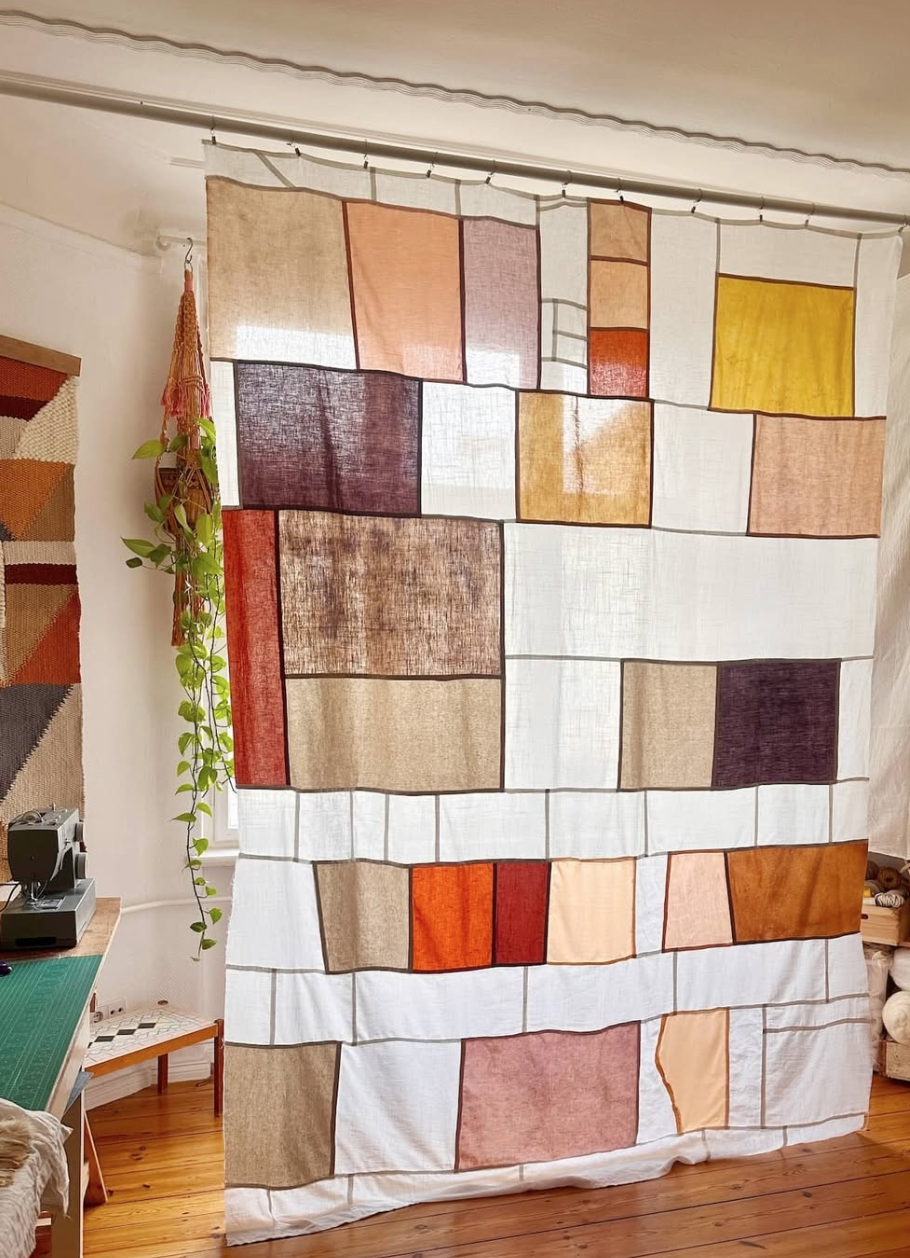
During an era that demanded patience and frugality, bojagis were made from upcycled textiles — mostly silks and ramie, a natural fiber native to Eastern Asia. Korean women would meticulously sort through discarded (yet valuable) fabrics, and organize them according to weight, size and color. They would then create a patchwork design, now known as jogak bo or jogako, combining both symmetrical and irregular patterns sewn by hand. The women used a flat felled seam called gekki to create a sturdy stitch that was identical on both sides of the textile.
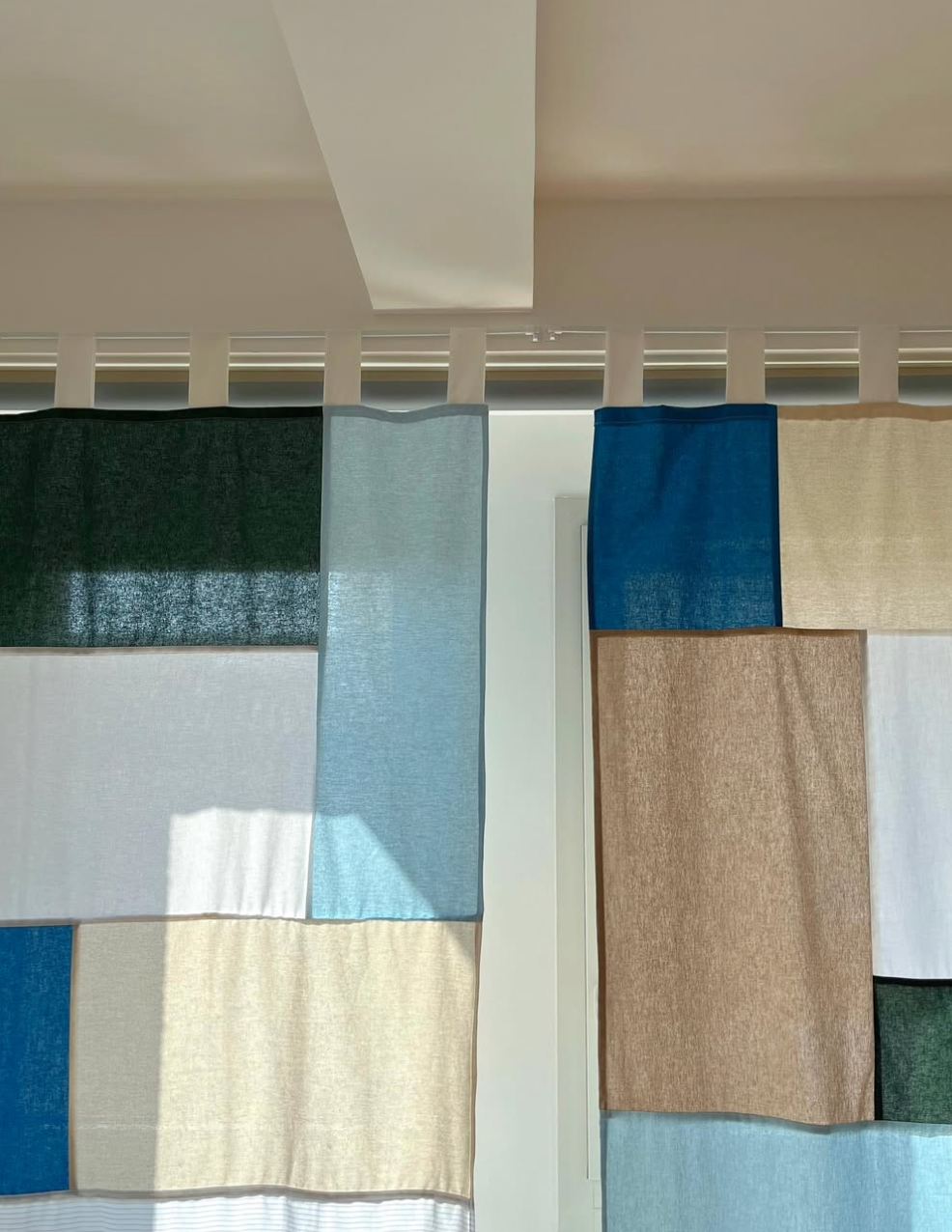
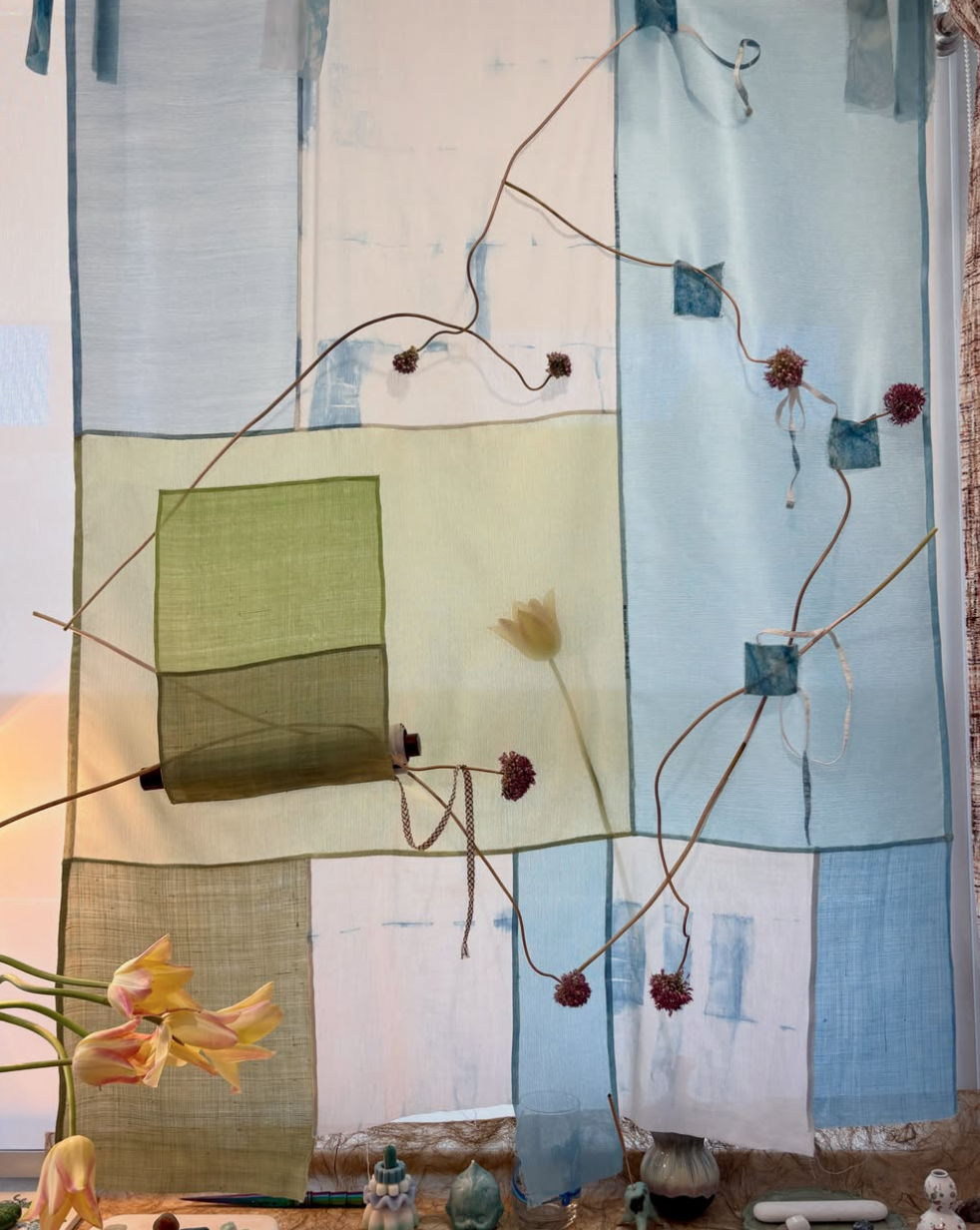
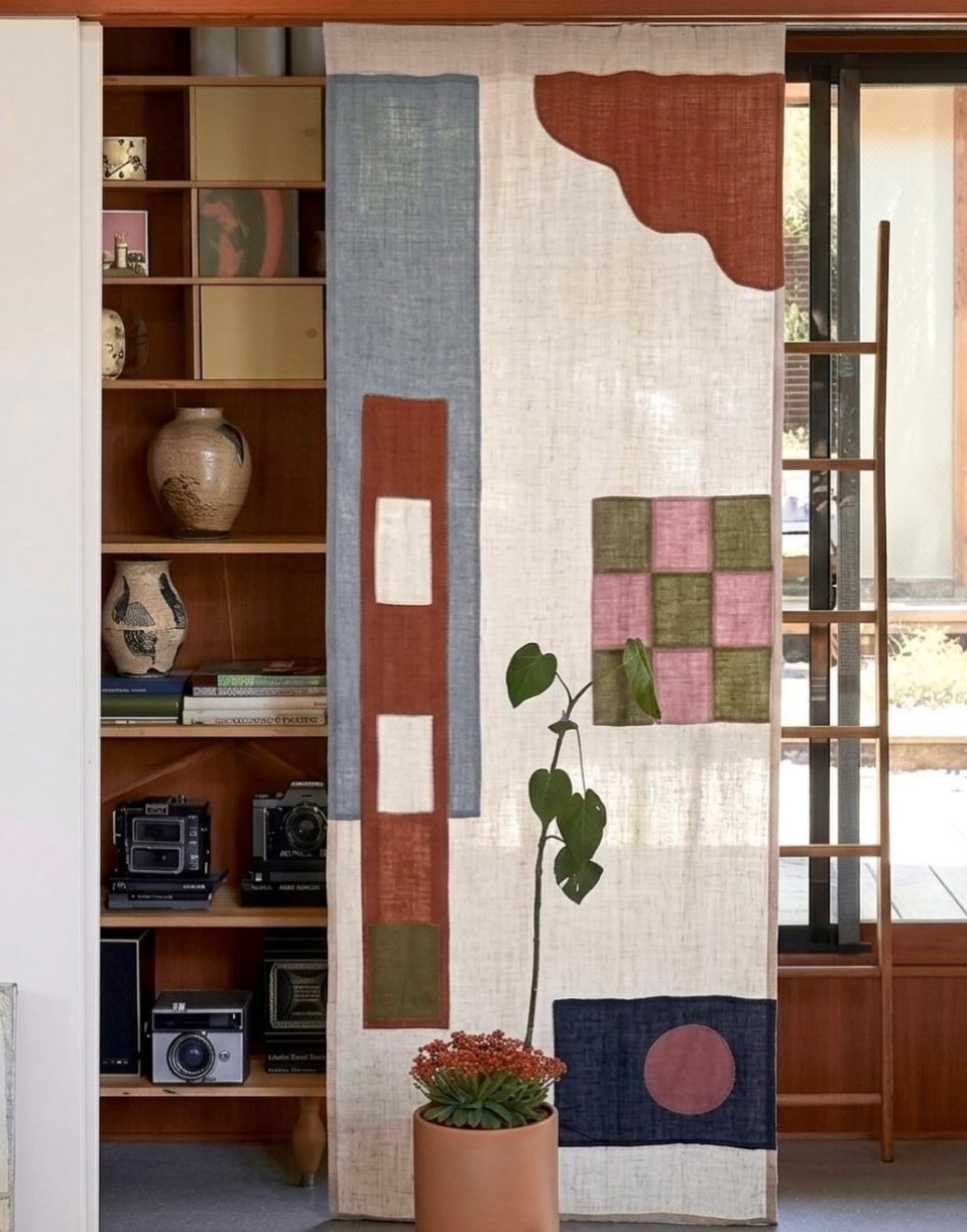
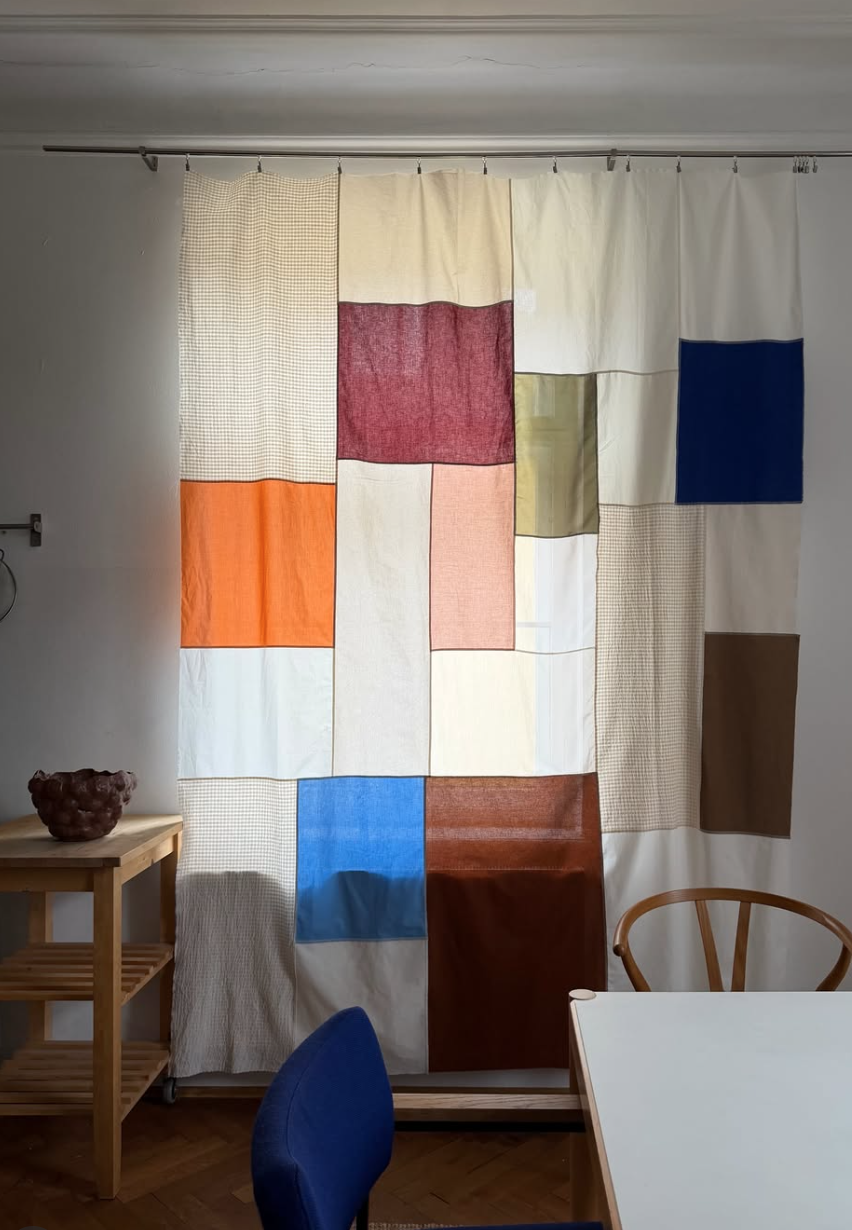
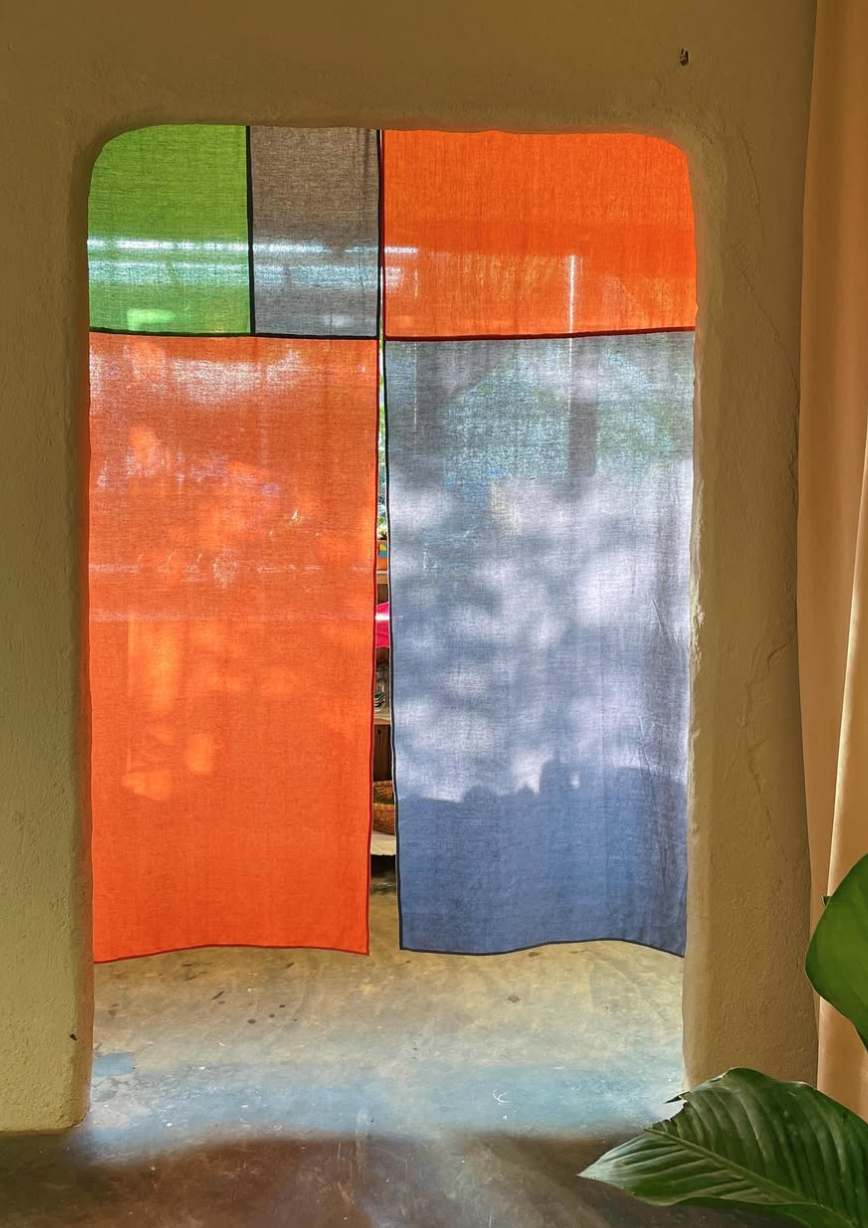
While originally designed to function as gift wrap, bojagi (and more specifically, jogako) has gained recent popularity as an alternative to curtains. Thanks to their patchwork design and use of lightweight textiles, jogako allows light to flow through the fabric, mimicking a windowpane design.
Sustainable designers in particular have been called to this art practice. Excited to embrace a new way of transforming textile waste, designers from around the world are adding their own twist on the traditional jogako. Some feature muted earth tones, while others opt for soft pastels. Each pays homage to the Korean craft, featuring the geometric patterns most synonymous with the original practice.
Through modern design, these designers are celebrating the ancient craft and welcoming the wrap of luck into homes worldwide.