With more and more of our world becoming plagued by AI nonsense, it’s no surprise that excitement for handmade goods is at an all time high. Exhausted by automated and mass-produced junk, many of us are craving authenticity. We are desperate for items with slight imperfections, subtle quirks, and any proof of human touch.
This trend is nothing new. the rise of digital innovation almost always creates a primal instinct to protect what’s real, tangible and human. From the resurgence of disposable cameras to the hipster-ification of record stores, it’s clear that as the world becomes more digital, a return to handmade becomes inevitable — but what does this mean for slow fashion?
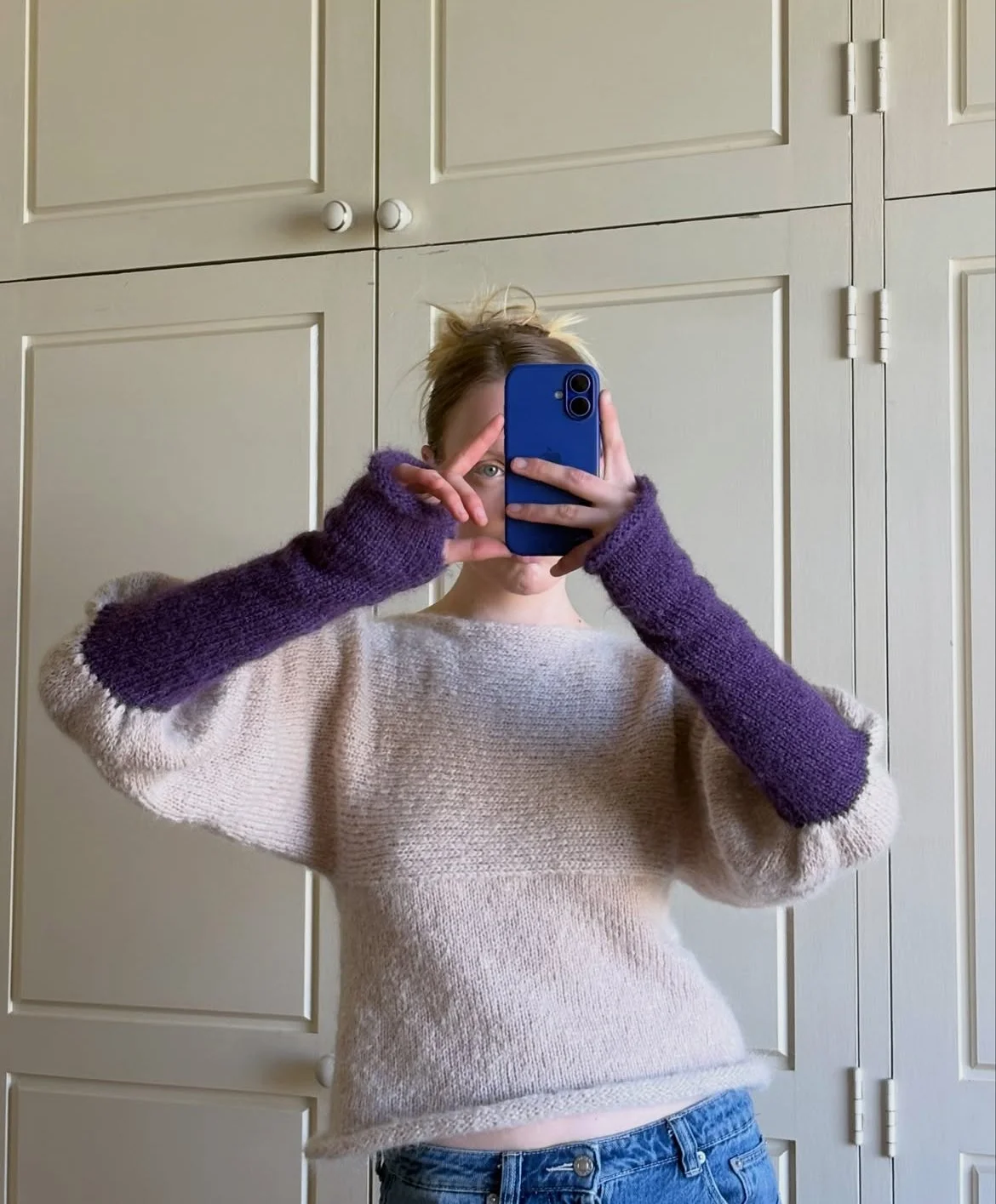
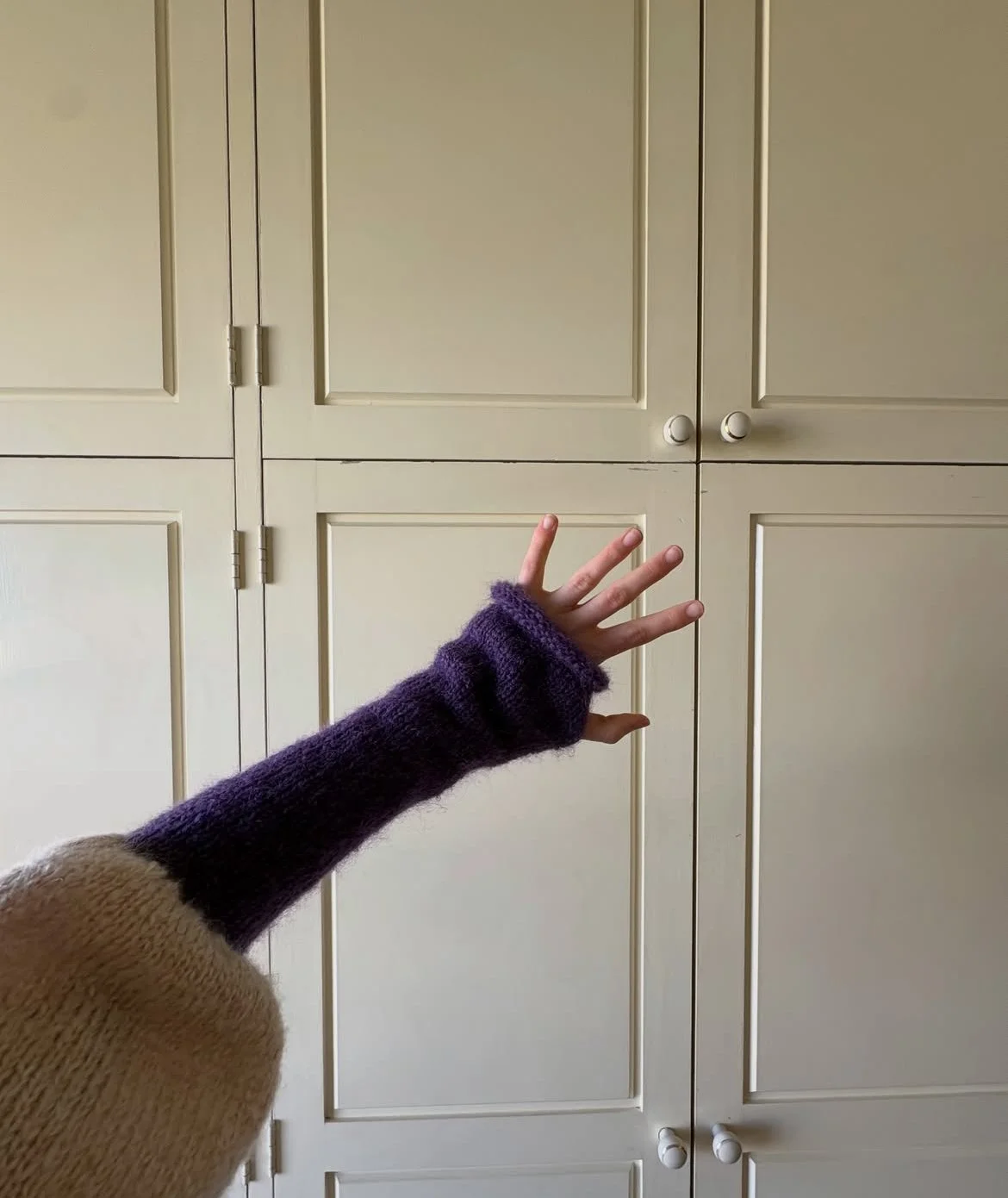
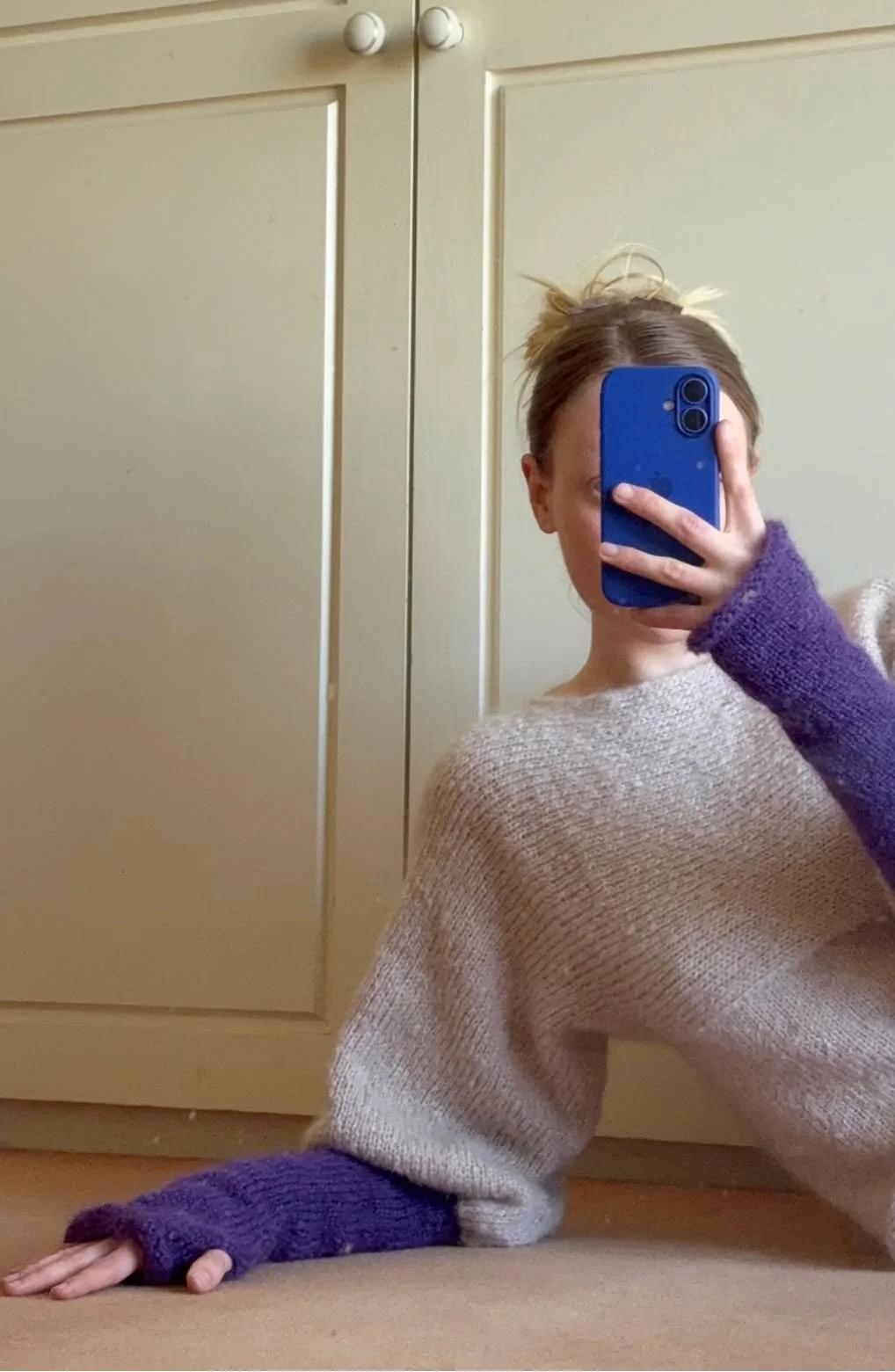
first and foremost: emerging brands are thrilled.
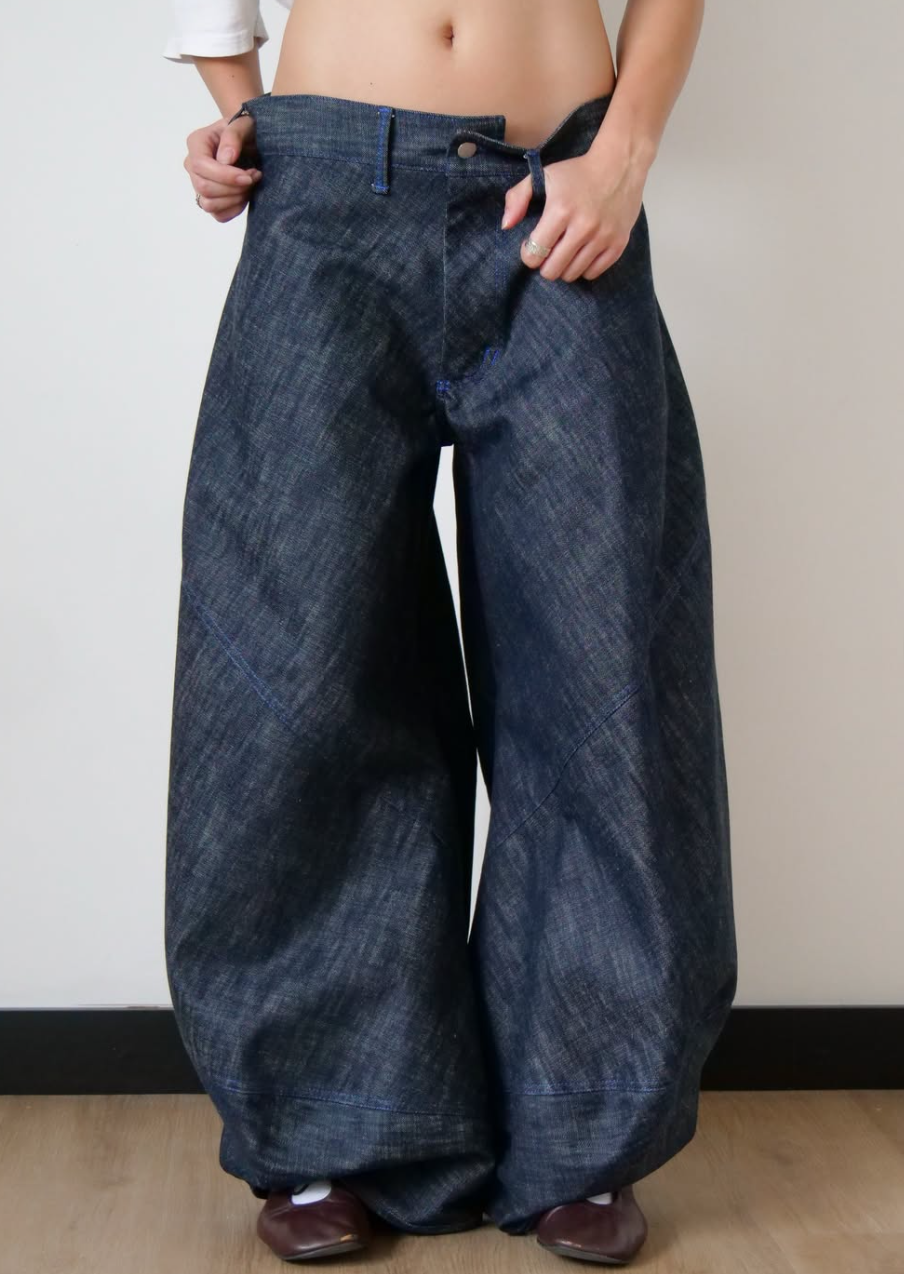
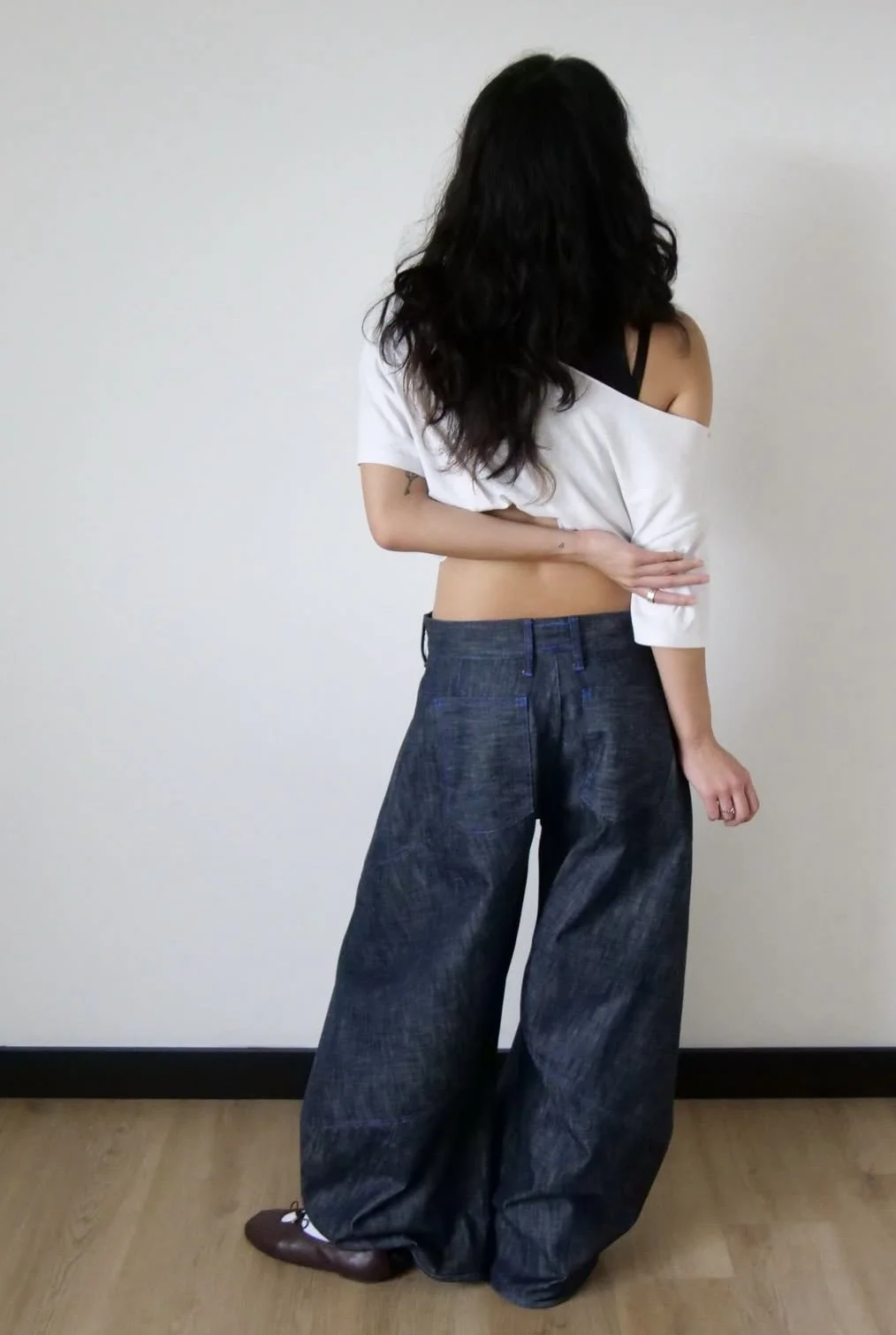
As is evident by the increasingly popular “f*ck AI, i made this with my hands” trend, emerging brands are eager to position themselves against AI, seizing the opportunity to remind consumers that the anthesis to mass-produced automated garbage, is handcrafted art and intentional design.
Many emerging brands have been long-time advocates for handmade fashion — not because it’s trendy, but because its’s part of their DNA. Their competitive advantage against fast fashion has always been human touch, and those who have understood this from the beginning are finally beginning to see their dedication pay off.
Of course it’s not as simple as: handmade = sales. As was the case with the sustainable fashion movement, just because something is handmade or “sustainable” doesn’t mean it will sell on its own — the product still needs to have that something special. While some may be struggling to stand out in what is now an increasingly crowded market, the designers who have positioned themselves strategically are thrilled to now have an audience worth speaking (and selling) too.
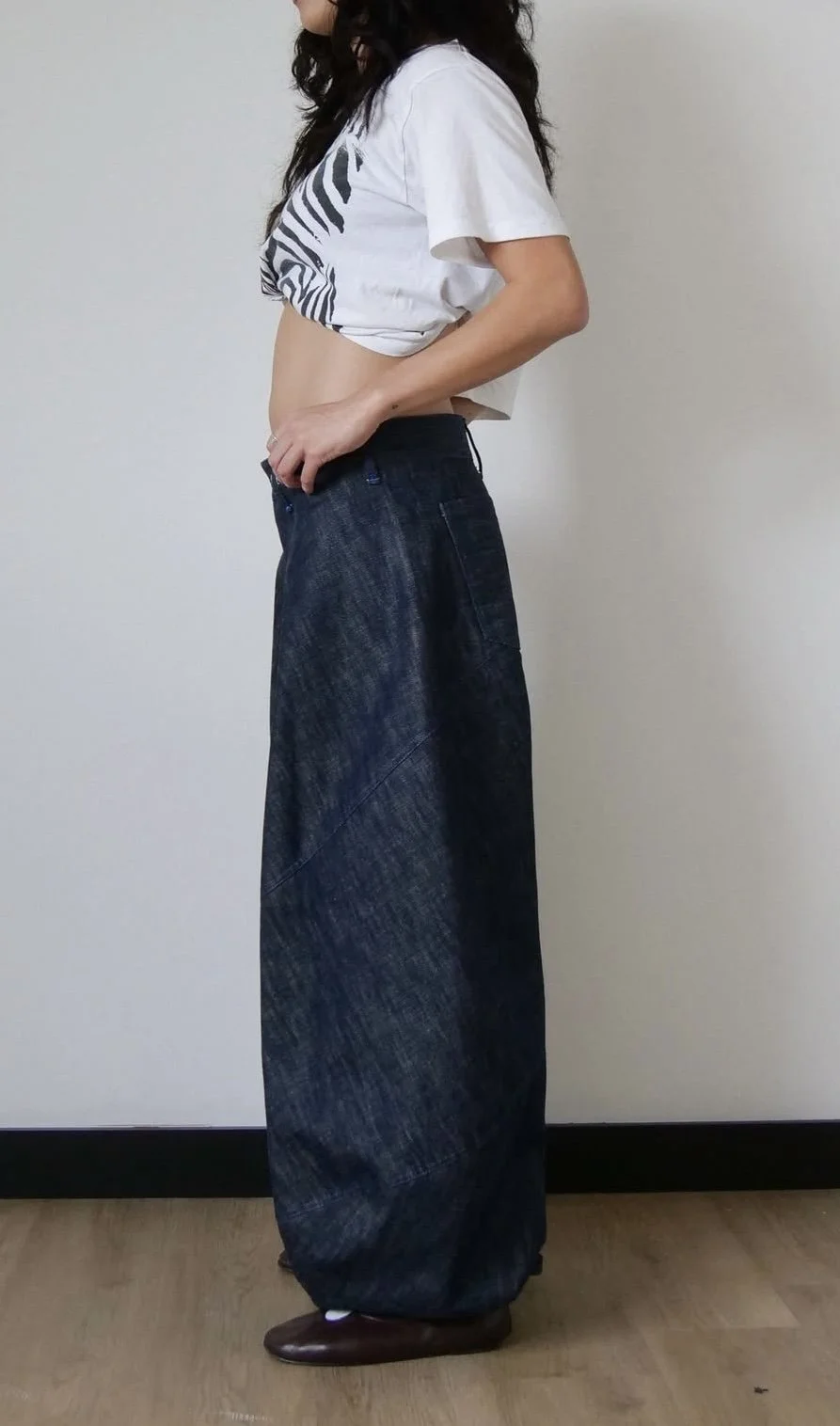
as designers continue to navigate this growing interest in handmade fashion, a simultaneous trend is emerging for consumers.
For the first time in a long time, consumers aren’t just buying handmade fashion — they’re wanting to make it themselves. From knitting circles and jewelry workshops, to pottery lessons and natural dye classes, excitement for handmade craft is growing as part of a larger DIY movement. People are eager to get off their phones, learn new skills and be in community with likeminded (and equally AI-fatigued) patrons.
While this is a major win for independent retailers and emerging brands alike, who are collaborating to host in-person workshops, it’s indicative of a much larger cultural shift. As consumers learn more about how things are made, and experience first hand how difficult it is to do it themselves, their appreciation for handmade craft will only grow.
The disconnect between consumers and sustainable fashion has always been rooted in a fundamental misunderstanding: the average consumer who has never knit a sweater or sewn a garment has been taught to believe that fashion should be cheap, fast and endlessly available — and that wasn’t by accident. Capitalism only works if we have no connection to the things we buy, so the system has been designed to keep us as far removed as possible.
As we slowly begin to repair our relationship with craft, unlearning all that we’ve been fooled into believing by the fast fashion industry, our appreciation for handmade goods will continues to blossom.
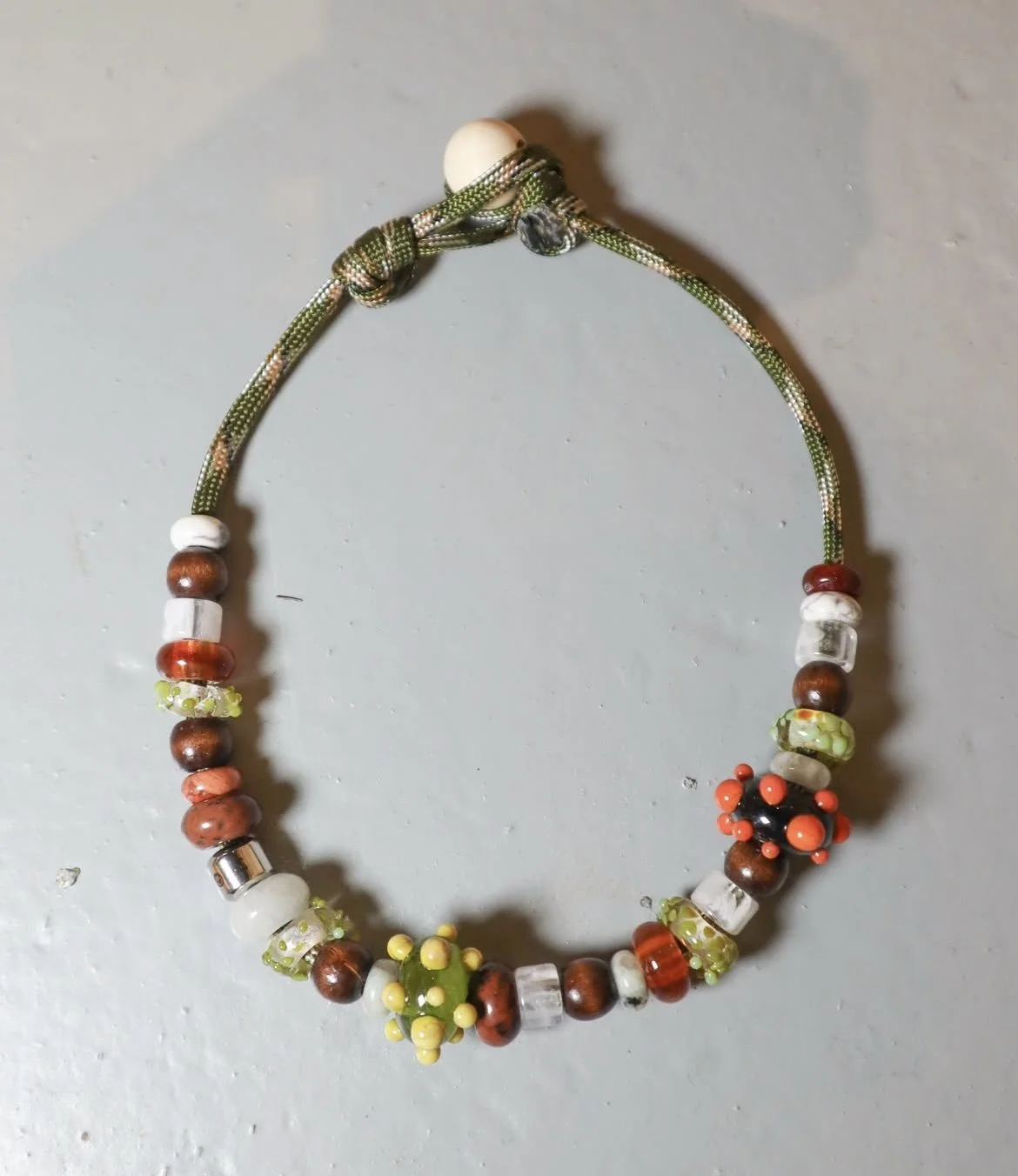
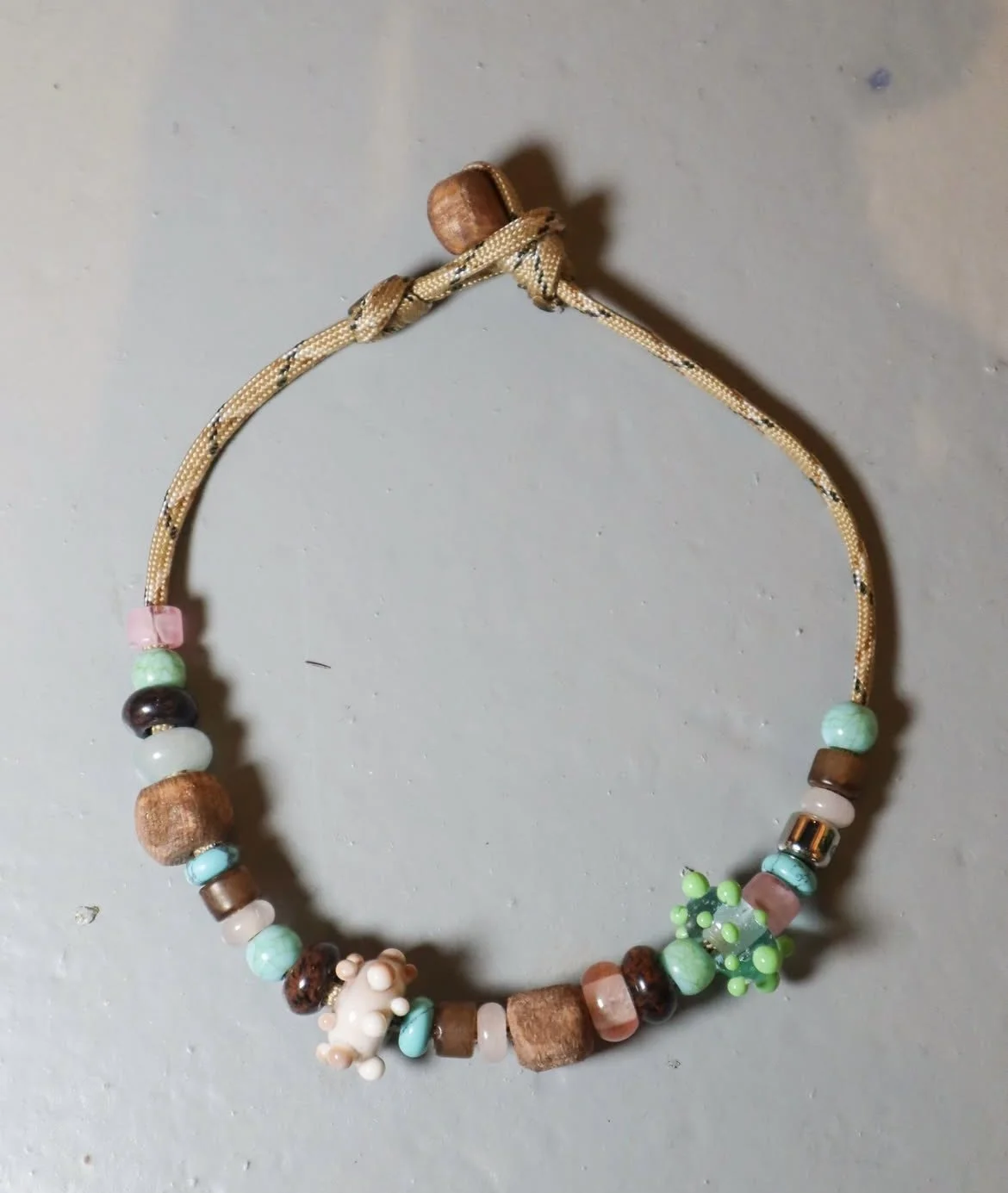
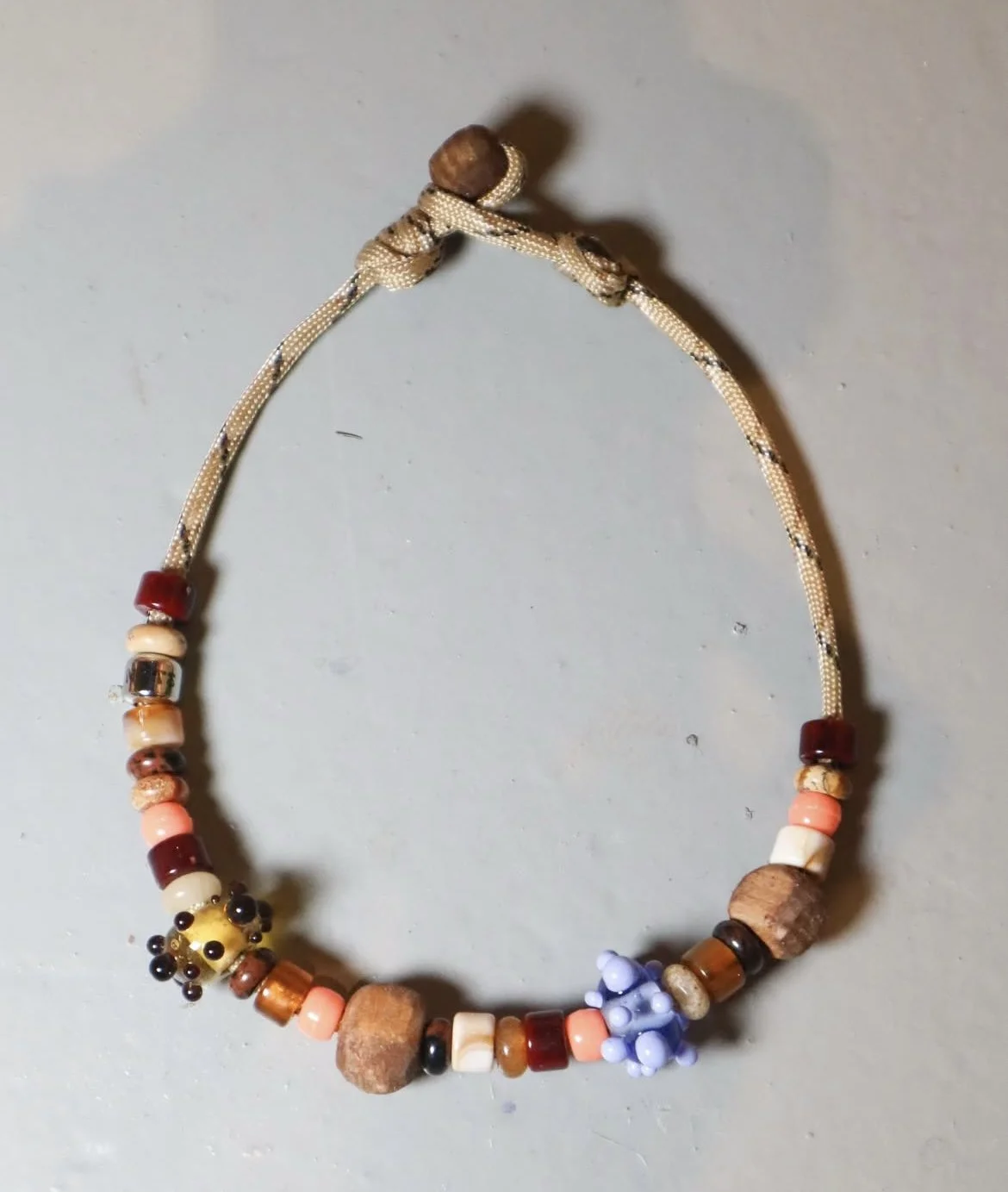
the rise of AI didn’t just pave the way for handmade craft to thrive, it served as the catalyst for the slow fashion revolution many of us have been waiting for.
And with that comes a new opportunity for slow fashion to flourish: consumers are becoming makers, designers are becoming teachers, retailers are becoming community hubs. This shift is integral to the success of a slow and sustainable fashion industry rooted in craft, community and culture — and ironically we may have AI to thank for that.
As a gentle reminder: please note that all fashion is handmade — including fast fashion. read more here.