Sacredness of Silver
A woman’s relationship to her jewelry is sacred. More than an accessory, jewelry has served as a form of protection for women across the globe for hundreds of years. In societies where women were prohibited from generating their own income or opening their own bank accounts, jewelry became a safety net. Passed down as family heirlooms and gifted for special occasions, jewelry belonged to women in a world where everything else belonged to men.
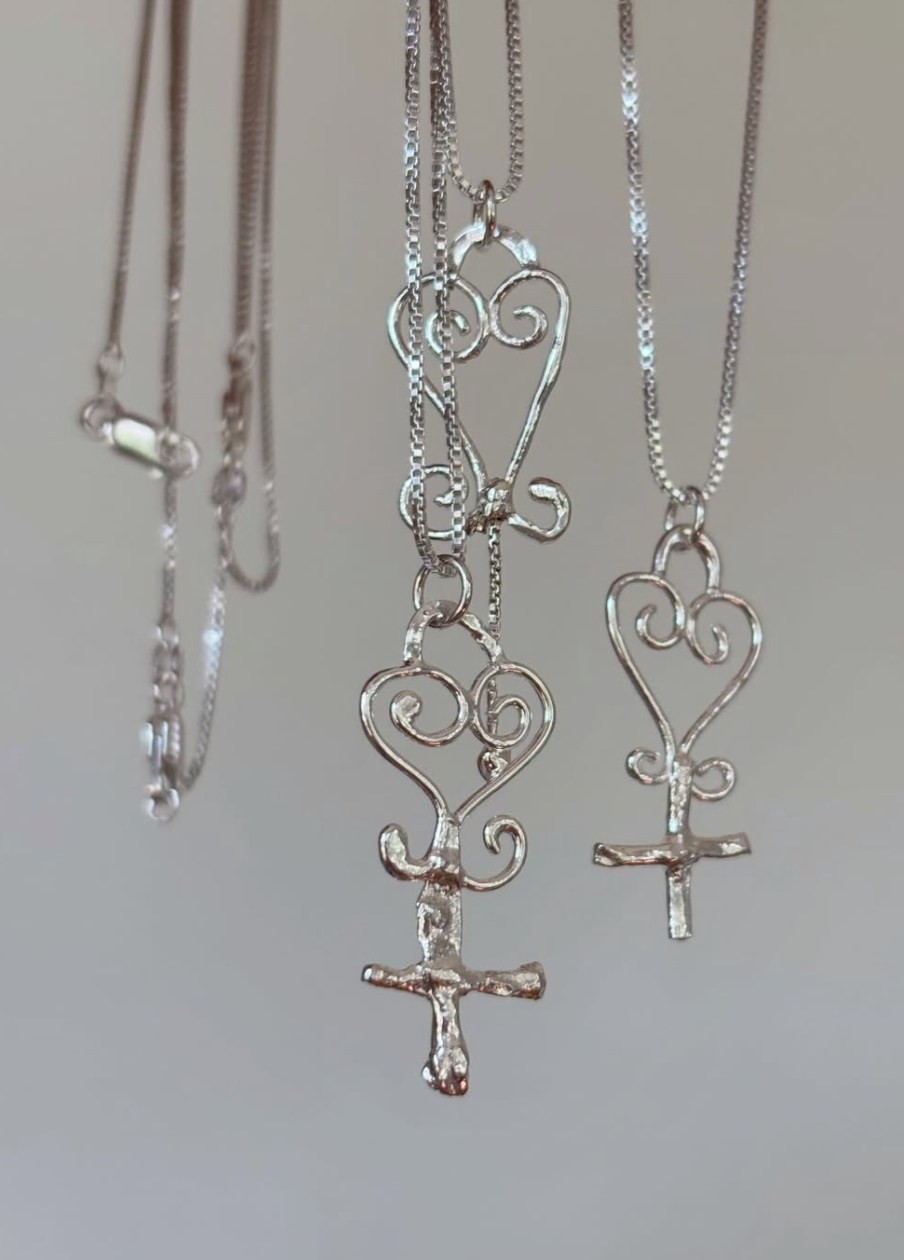
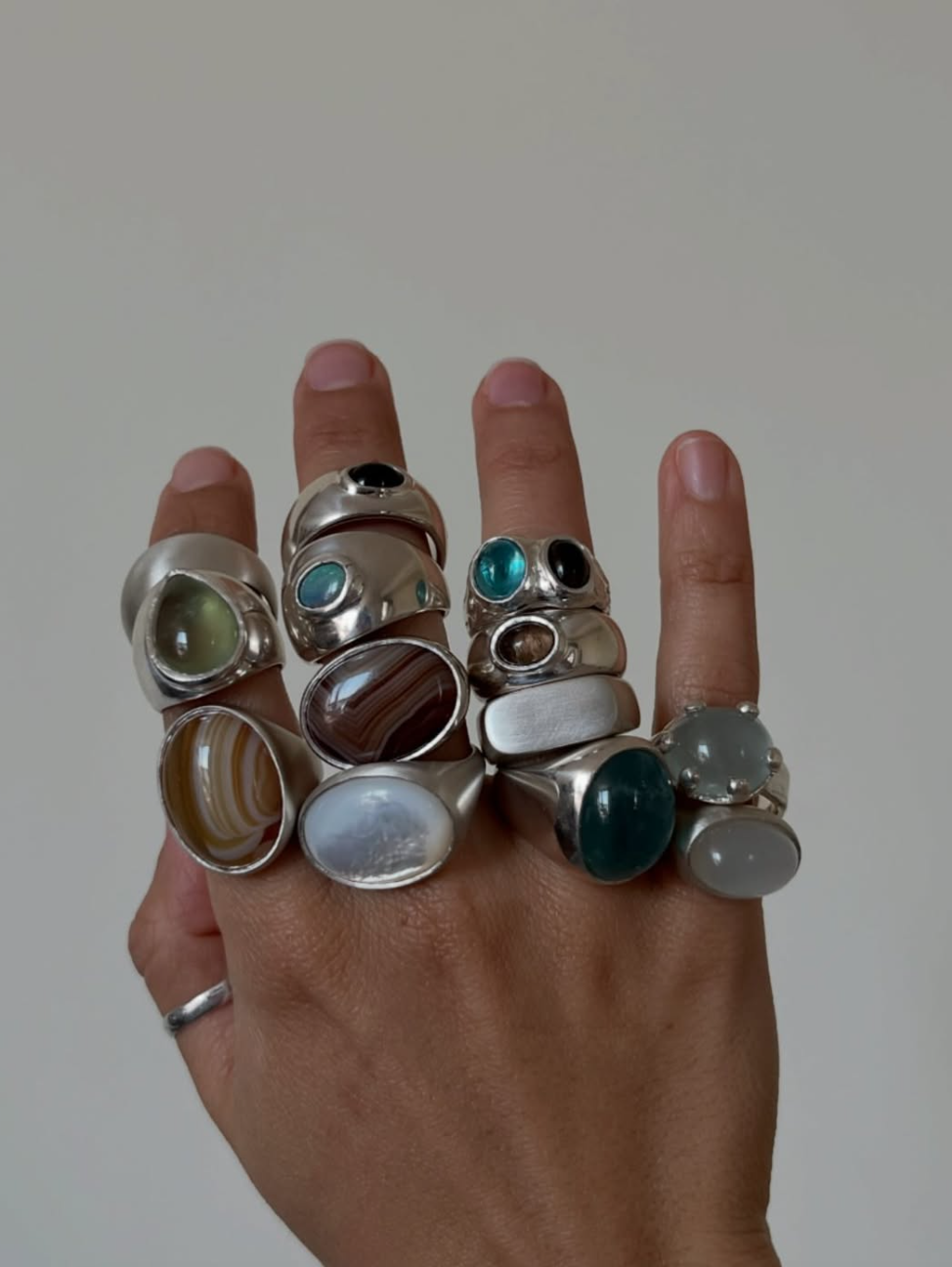
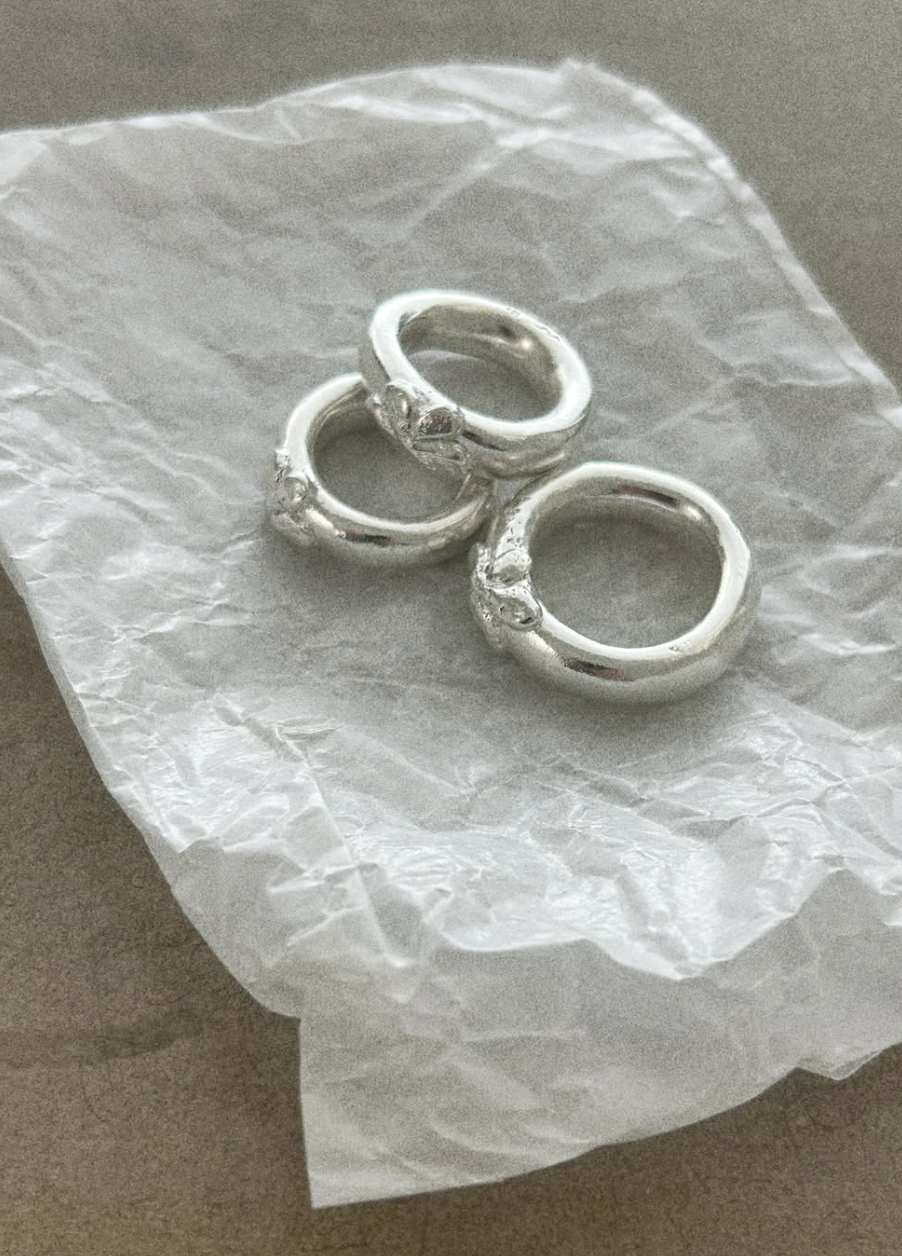
Sterling silver, in particular, gained notoriety worldwide for its incredible durability, endless renewability and ease of portability. From the Sahara desert to the mountains of Mexico to the Navajo reservations, silver jewelry quickly became a global phenomenon.
As demand for silver grew, the global markets barred women from creating it.
The trade of silversmithing (ie. manipulating and transforming silver into objects), was solely “a man’s job.” Women, unless widowed by a silversmith, were excluded from the trade, ensuring all profit from the craft remained in the hands of men. The few pieces that were made by women were often signed by male counterparts, who happily took the credit — and financial freedom — that came with it. It wasn’t until the 18th century that a small but fierce wave of female silversmiths emerged, finally inviting women to participate in the global craft.
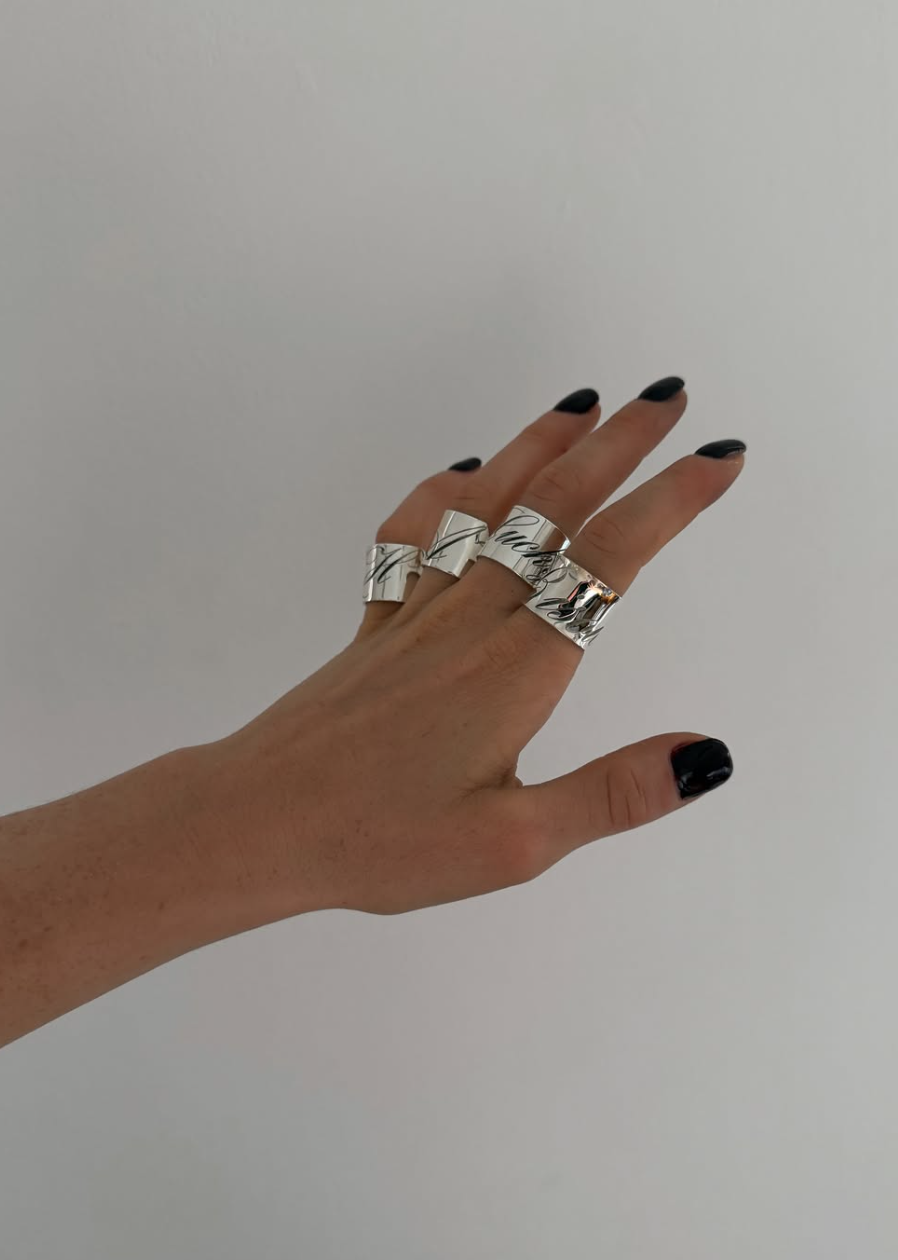
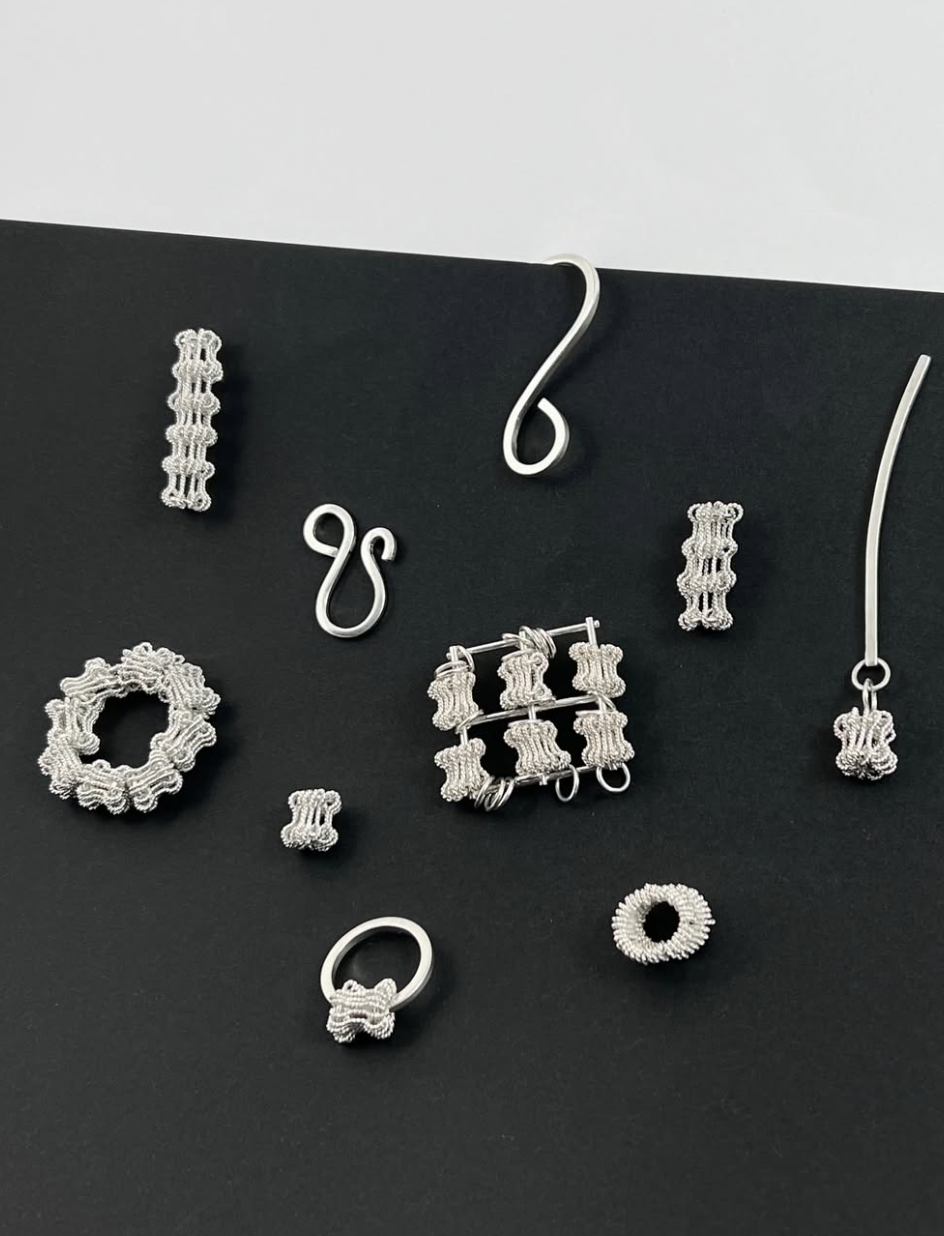
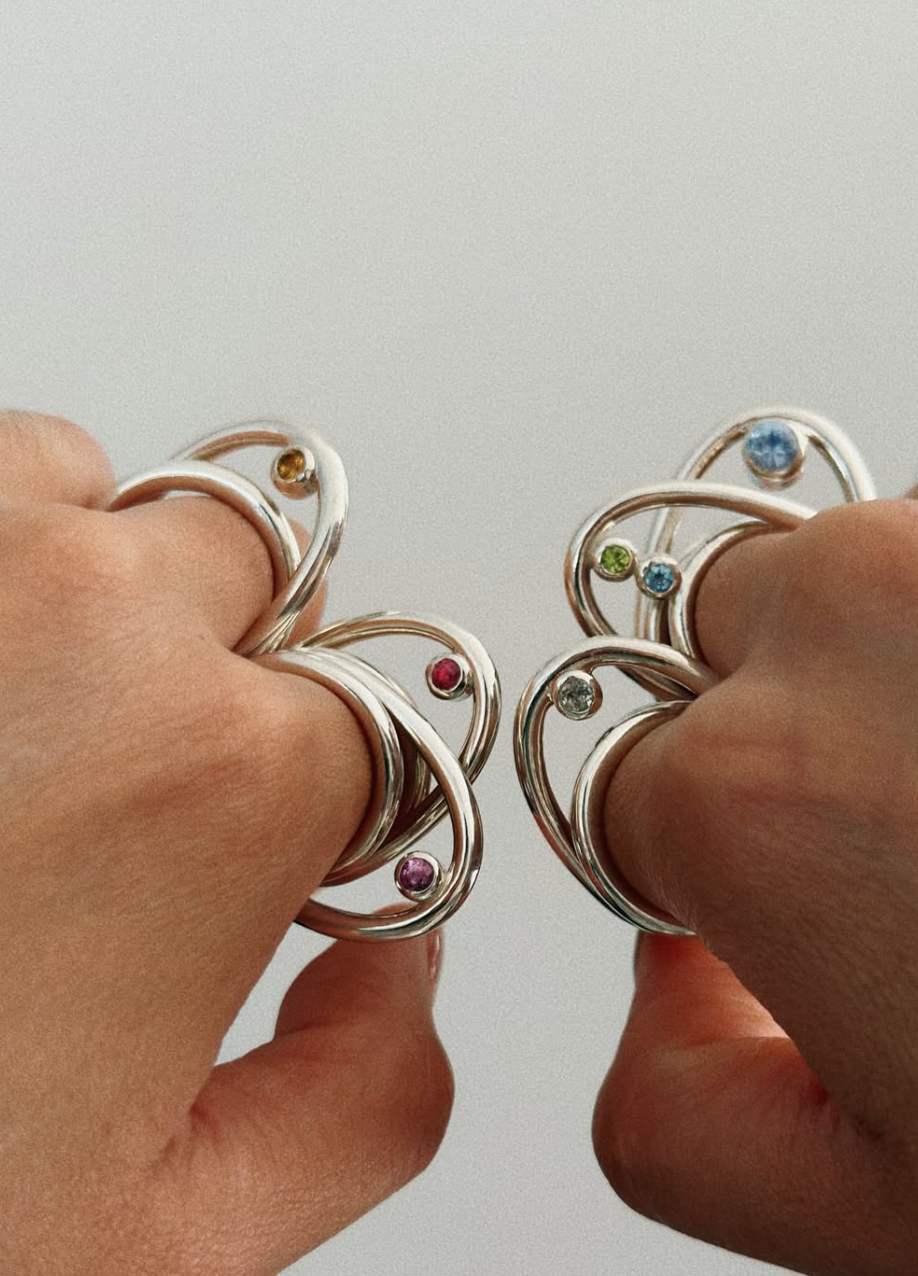
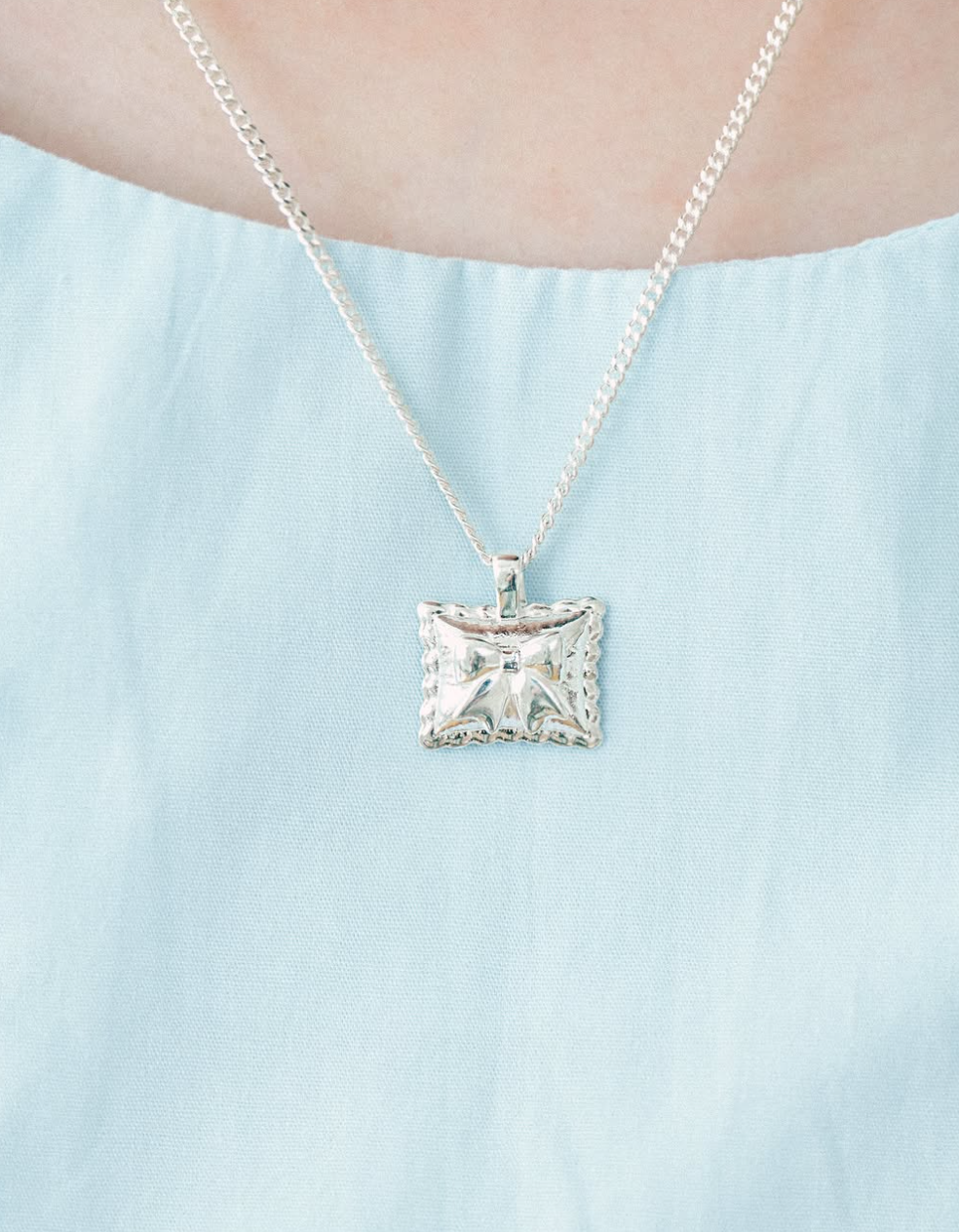
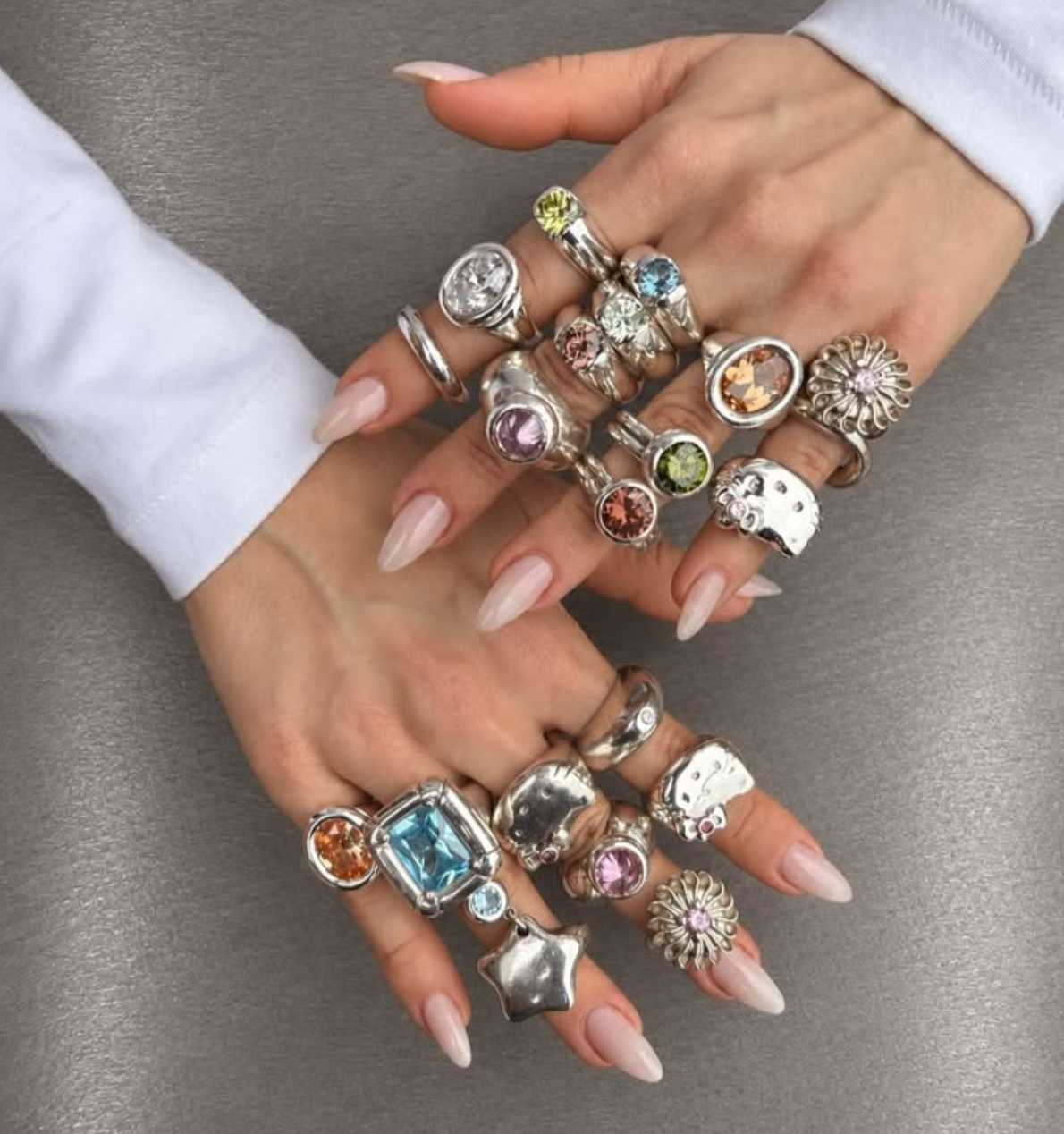
As we fast forward to today’s growing obsession with silver jewelry, it’s clear that men no longer have the upper hand. Emerging women-owned brands from around the world are transforming what was traditionally a male-dominated industry into an accessible craft for all. From dainty and delicate every day staple pieces, to vibrant and colorful statement pieces, sterling silver has become an increasingly popular medium for independent designers to explore.
While it’s easy to take the craft for granted, celebrating it as nothing more than a luxury adornment, sterling silver is a sacred craft that carries with it a powerful history of female empowerment. To wear a piece of sterling silver is to honor all the women who were once protected by a craft they were barred from participating in — and to make a piece of silver jewelry is to take back a craft that was ours in the first place.